
English| EUR
Suggested for you
More currencies
Choose a language
Laguna Grande's bioluminescent display depends on three variables: lunar darkness, seasonal plankton density, and cloud cover. The brightest experiences happen when all three align—new moon nights during the dry months, with clear skies overhead.
Quick answer
The optimal bioluminescent bay best time to go is during new moon phases (±3 days) in the dry season from January through April, arriving between 19:00 and 21:00 when ambient light fades completely. Moon phase matters most—a full moon can reduce visible glow by 80 percent, while new moon nights in any season deliver strong bioluminescence if skies remain clear.
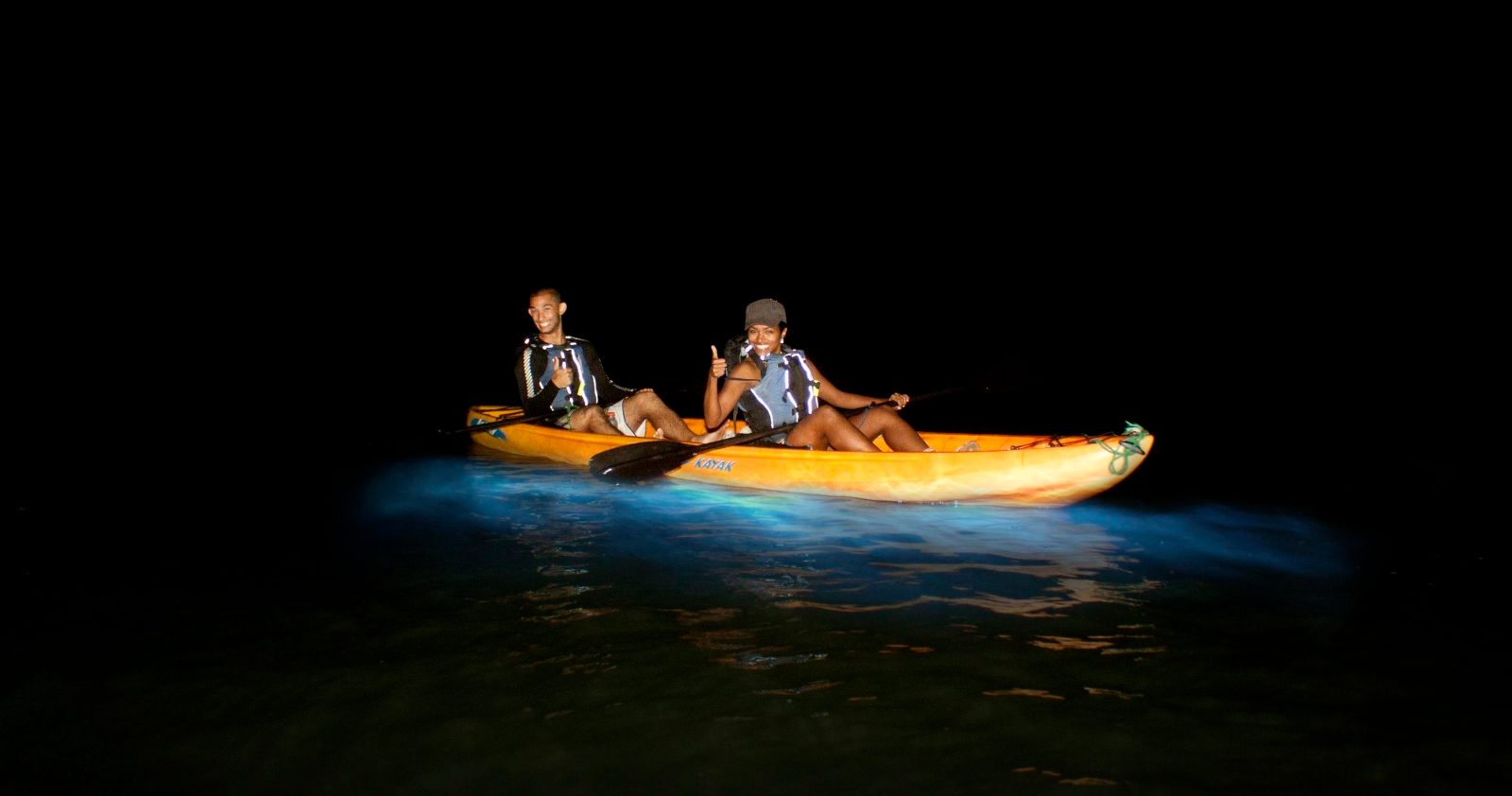
Pyrodinium bahamense—the dinoflagellate responsible for Laguna Grande's glow—thrives year-round in the bay's brackish mangrove channels, but human perception of its light emission hinges on absolute darkness. A single streetlight or half-moon can wash out the electric-blue trails that make this ecosystem remarkable. Moon phase governs visibility more than any other factor. During the three nights surrounding a new moon, the bay's surface erupts in phosphorescent streaks with each paddle stroke, and submerged hands leave glowing wakes. By contrast, a full moon casts enough ambient light to render the same concentration of plankton nearly invisible. Tour operators track lunar cycles months in advance, and visitors planning the bioluminescent bay best time to go should consult a moon calendar before booking. The dry season—January through April—adds a second advantage: lower rainfall means fewer cloudy nights and less sediment runoff, both of which improve water clarity and light contrast. Arrival timing within the nightly window also matters. Tours departing at 19:00 catch the transition from dusk to full dark, while those launching closer to 21:00 encounter pitch-black conditions that amplify the glow. Laguna Grande operates six nights weekly, closed Sundays, with most outfitters launching from the Las Croabas dock area. The bay itself sits within Reserva Natural Cabezas de San Juan, accessible only via DRNA-licensed kayak and boat tours—no independent entry is permitted. Seasonal plankton density fluctuates but remains robust enough for visible bioluminescence even in the rainier months of August through November, provided skies clear after evening showers. Experienced guides note that the calmest water—critical for maximizing light reflection—often occurs on weekday evenings when boat traffic subsides. The intersection of new moon, dry-season clarity, and midweek calm creates the conditions that define an exceptional visit, though any moonless night offers a experience worth the journey.
“A single streetlight or half-moon can wash out the electric-blue trails that make this ecosystem remarkable.”
The best arrival window is 19:00–21:00, as dark skies significantly increase the contrast of the bioluminescent organisms. Planning your visit around moonless nights provides the highest visibility for the glow.
—
Minimal ambient light optimizes visibility conditions.
80-88°F
Warmer waters support active bioluminescence levels.
72-82°F
Cooler, dry air often leads to clearer nights.
—
Mid-week nights offer quieter conditions than weekends.
Verdict: For the highest visibility, visit during a new moon phase between Tuesday and Thursday in either April or October.
The Laguna Grande bioluminescent bay operates on a consistent weekly schedule, remaining open from Monday through Saturday. The site is closed to the public every Sunday.
Laguna Grande is located within the Reserva Natural Cabezas de San Juan in Fajardo. Access is restricted to DRNA-licensed tours, so visitors must coordinate transportation with their chosen tour operator.
Carr. 987 to Km. 5.9, Fajardo
Direct to Reserva Natural Cabezas de San Juan
Because independent access is prohibited, ensure you confirm your meeting point with your licensed tour operator before traveling. Use the address Reserva Natural Cabezas de San Juan, Carr. 987 Km. 5.9, Fajardo, PR 00738 for GPS navigation.
Access to Laguna Grande is regulated by the Department of Natural and Environmental Resources. While there is no fee for the nature reserve itself, entry to the water is exclusively permitted through DRNA-licensed tour operators.
Verdict: The entry fee is 0 USD, but visitors must pay the separate service rate charged by their chosen licensed tour provider.
Visiting Laguna Grande requires advance planning since entry is restricted to licensed tour operators.
Everything you need to know about bioluminescent bay best time to go
The bioluminescent bay best time to go is within the arrival window of 19:00–21:00. Darker skies during this period provide the highest contrast for viewing the natural glow of the microorganisms.
While the bay glows year-round, many visitors find that the bioluminescent bay best time to go coincides with periods of minimal moonlight. Checking lunar phases before your trip can help you identify nights with the darkest skies for optimal visibility.
Access to the nature reserve is restricted to DRNA-licensed tours. You must book a spot with an authorized provider before arriving, as individual unguided entry is not permitted.
There is an entrance fee of 0 USD for the reserve itself. However, you will need to pay for a guided tour provided by a licensed operator to gain access to the water.
Children are often permitted on kayak tours, but requirements vary by tour operator. Always confirm age and weight restrictions directly with the licensed provider managing your excursion.
You should prepare for a night on the water by wearing comfortable, quick-drying clothing and water shoes. Bringing insect repellent and a change of clothes for after the tour is recommended for your comfort.
Most guided kayak experiences last between 90 minutes to two hours. This timeframe includes safety briefings, paddling through the mangrove channels, and time to observe the glowing water.
Licensed tour operators monitor weather conditions closely to ensure visitor safety. If heavy rain or dangerous conditions occur, your guide will contact you regarding rescheduling or cancellation policies.